
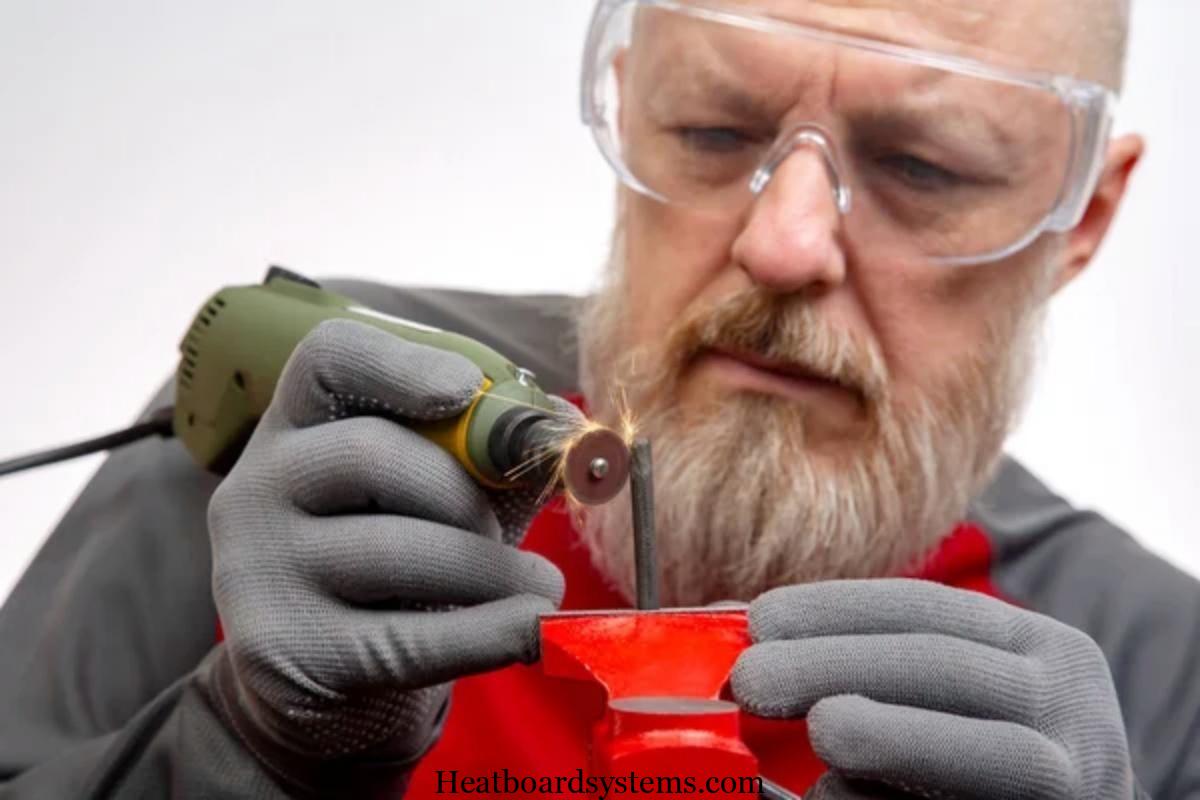
With the way things are developing these days, there’s some fresh blood in the engraving world—pneumatic engravers are starting to take off.
So if you’re stuck trying to decide, “Should I stick with hand engraving or just go straight for a pneumatic engraver?” you need to know what the real differences are.
Honestly, at first, I was really hung up on that “handmade feel.” I thought, “If you’re really skilled, you’ve gotta be carving everything by hand, one stroke at a time.” And what happened? After about a week, my hands were killing me, my lines were all crooked, and on top of that, I totally ruined a piece of material I’d been prepping for a long time.
That’s when I slowly realized—picking the wrong tool is even more damaging than lacking skill.
In this post, I’m not going to hit you with a bunch of textbook jargon. I’ll just share my real experience and tell you: what’s the actual difference between hand engraving and using a pneumatic engraver?
What is hand engraving?
Just like the name sounds—hand engraving is basically using your own muscle power to push the tool.
No power assistance, no help. It’s all about how steady your wrist is, how well you control your pressure, and—honestly—how much experience you’ve got.
Hand engraving does have some clear upsides. The cost is low—just buy a graver and you’re ready to go. Plus, the feedback is really direct, and some people feel that’s the only way to get that “real” look. It’s also decent for practicing simple lines.
But the downsides are pretty obvious too. If your hand shakes even a little, that line is toast. And controlling the pressure? Really tough for beginners. Plus, if you go at it for too long, your hand starts to ache like crazy.
When I was first practicing lines, I’d be carving along and suddenly—whoosh—the line would go totally off. And it wasn’t that I wasn’t trying. My hand just couldn’t keep up. The further I went, the shakier my hand got, and then everything I’d carved before would get ruined.
What is a pneumatic engraver?
A pneumatic engraver—like the name suggests—basically uses compressed air to drive the tool. The tip itself vibrates at high frequency with tiny movements, and all you have to do is hold it steady. That’s how you get the carving done.
Think of it this way: it does the heavy lifting for you, and you just control the direction.
Sounds simple, but once I tried it, I realized it’s a whole different world.
The first time I used one, only two words came to mind: so easy.
Seriously, it was that effortless. It wasn’t that my skills suddenly got better—it’s that the pneumatic engraver took care of problems like shaky hands and uneven pressure.
You don’t have to push the tool with a ton of force anymore. You just gently guide it, and the tip kind of “walks forward” on its own.
Hand Engraving vs. Pneumatic Engraver: 5 Key Differences
- First, the source of power. This one seems simple, but it affects everything else. With hand engraving, it’s all about your arm and wrist strength—you push the graver forward yourself. With a pneumatic engraver, the machine does the work for you. You just lightly guide it and control the direction. Hand engraving requires you to exert force; pneumatic is basically just guiding. The feel is completely different.
- Second, precision. A lot of people automatically assume hand engraving is more precise—like “hand carving has soul.” But reality doesn’t always back that up. When you’re doing it by hand, one tiny shake and your line goes crooked. Especially on super fine details—like hair strands or delicate edges—the more nervous you get, the more your hand shakes, and the more things fall apart. With a pneumatic engraver, because the vibration is so even and stable, the tip doesn’t jump around. The lines come out super smooth, and the details end up cleaner and more stable.
- Third, efficiency. I learned this one the hard way. Before, when I hand-engraved a slightly complex design, it would take at least three or four hours—and I’d have to stop in between to rest my hand, otherwise my wrist would get so sore I couldn’t even lift it. After switching to a pneumatic engraver, the time got cut in half, sometimes even faster. And the most important part—you’re not exhausted. Before, after finishing a piece, I’d be totally drained and just want to rest. Now, I can finish and still have energy for other things.
- Fourth, the learning curve. A lot of beginners think pneumatic engravers are more advanced and harder to learn, but it’s actually the opposite. The challenges of hand engraving are very real: controlling pressure, keeping your wrist steady—all of that takes time to grind through. Pneumatic is way faster to pick up and much more forgiving. I have a friend who was a complete newbie. After practicing with a pneumatic engraver for just a week, he could already carve pretty decent lines. With hand engraving? He’d probably still be struggling with crooked lines after a week.
- Lastly, this is something you only really appreciate after using them for a long time—the experience of working for extended periods. When you hand-engrave for a long time, your hand gets sore, then numb, and in bad cases, your wrist starts hurting. If you plan to do this as a long-term hobby or a career, your body just can’t take it. With a pneumatic engraver, you barely feel tired. You can go for hours and not really notice. For anyone serious about carving long-term, this one is huge.
Who is hand engraving for? Who is pneumatic for?
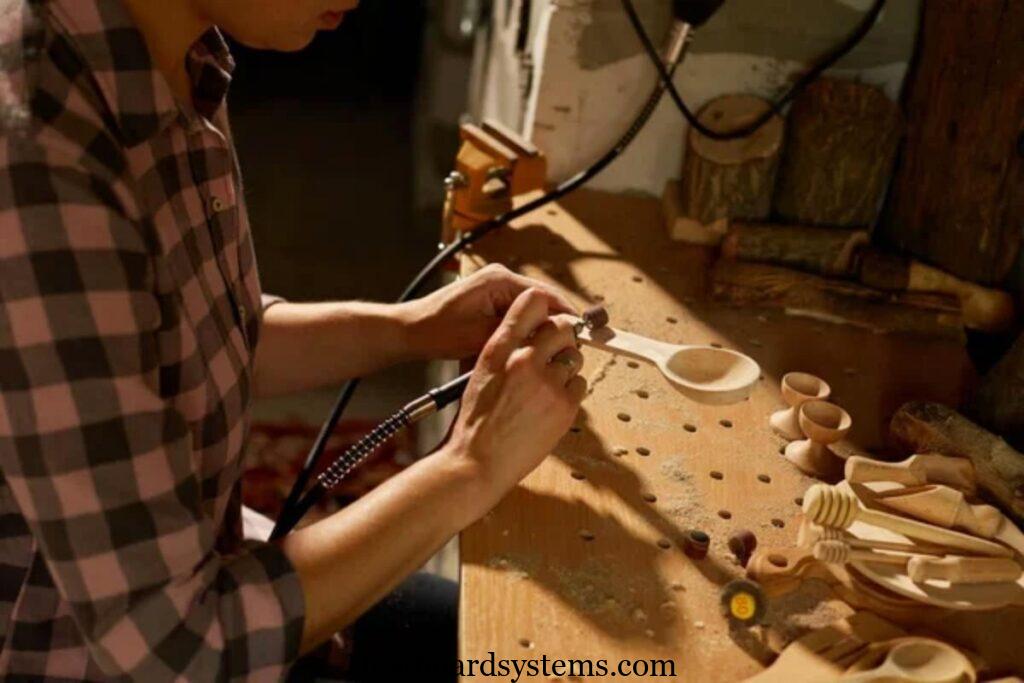
Hand engraving is probably a better fit if you’re just doing it for fun, picking it up once in a while, and you really enjoy that traditional handcraft feel. You don’t need to rush, and you’re okay with messing up now and then. Just taking it slow and enjoying the process works great.
As for pneumatic engravers, they’re more suited for people who want to get work done faster, nail those fine details, or maybe even take commissions and make some money. Also if you plan to spend long hours carving—like several hours at a time. Since you’re engraving for longer stretches, a pneumatic engraver really helps take the edge off the fatigue and stress along the way.
Why are more and more people choosing pneumatic engravers?
Why are so many people switching to pneumatic engravers these days? I don’t think it’s because everyone’s getting lazy—it’s just reality making them think differently.
A lot of people are taking up engraving as a side hustle, taking custom orders, or even setting up small studios. In that kind of fast-paced setup, efficiency and stability directly affect your income. The faster and cleaner you engrave, the more orders you can take, and naturally, the more you can earn.
Pneumatic engravers hit both of those points perfectly. They help you get the job done cleanly without wearing yourself out. At the end of the day, it’s not that people have gotten lazier—it’s that the demands have gotten higher.
One last thing to sum it up
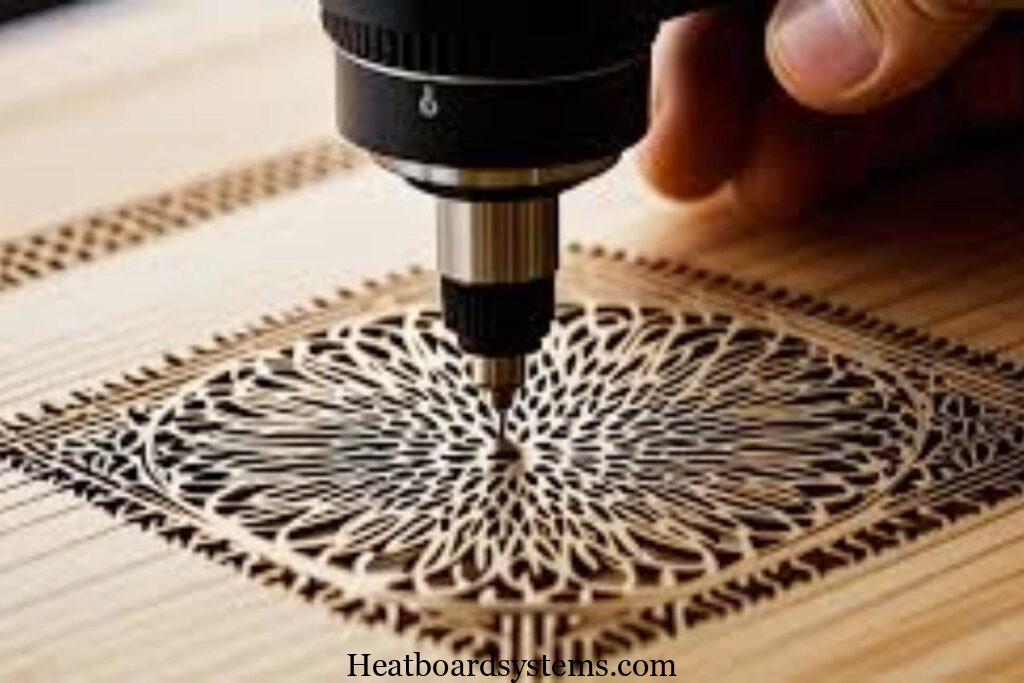
If you’re just messing around every now and then, hand engraving is totally fine.
But if you want to carve faster, get cleaner results, or even make some money from it, you’re gonna need a pneumatic engraver sooner or later.
My own take is pretty simple:
It’s not that the machine replaces handwork—it’s that it helps you feel more like a pro.
If you’re still on the fence, just ask yourself one question:
Do you want to “dabble for fun” or “do it seriously”?
The answer will be pretty obvious.