
Introduction to Adenoidid
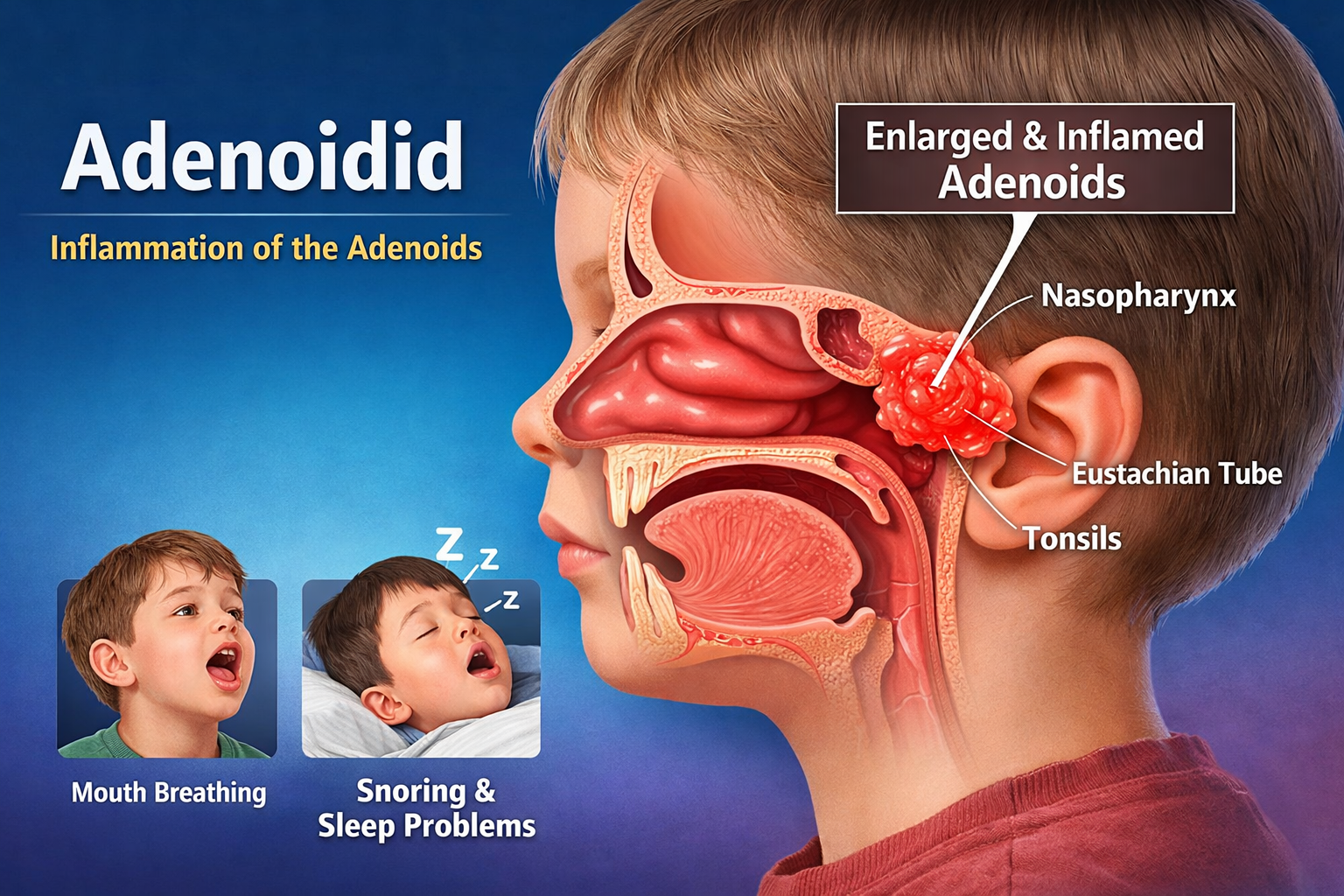
Adenoidid is a term increasingly used online to describe inflammation or infection of the adenoids. The adenoids are small masses of lymphatic tissue located behind the nasal cavity in the upper part of the throat called the nasopharynx. Even though they are not visible during a normal mouth examination, these tissues play an important role in the immune system, especially during childhood.
The adenoids act as part of the body’s first line of defense against bacteria and viruses entering through the nose and mouth. They trap harmful microorganisms and help the immune system respond to infections. Because of this protective function, adenoids are particularly active during the early years of life when the immune system is still developing.
However, the adenoids can sometimes become swollen or infected after repeated exposure to viruses, bacteria, allergens, or environmental irritants. When this occurs, the condition may be referred to as Adenoidid. This inflammation can lead to breathing problems, sleep disturbances, and recurring ear or sinus infections.
What Are Adenoids and Why They Matter
Adenoids are part of the lymphatic system and belong to a group of immune tissues located in the throat. These tissues form a protective structure known as Waldeyer’s ring, which also includes the tonsils and other immune glands in the throat.
The adenoids are positioned high in the throat behind the nasal cavity. Because of this location, they monitor the air that enters the body through the nose and help trap harmful microorganisms before they reach the respiratory system.
During childhood, adenoids are an important component of the immune response. They help identify pathogens and stimulate the production of antibodies that protect the body against infections.
As children grow older, the immune system becomes more advanced and less dependent on adenoid tissue. For this reason, the adenoids usually shrink during adolescence and may almost disappear in adulthood.
Role of Adenoids in Immune Protection
The adenoids contain immune cells that identify harmful bacteria and viruses entering the body through the nasal passages. These immune cells trigger defensive reactions that help prevent infections from spreading into the lungs or bloodstream.
Because children are frequently exposed to germs in schools and social environments, the adenoids work continuously to protect the body. This constant activity can sometimes cause the adenoids to become enlarged or inflamed.
What Is Adenoidid?
Adenoidid refers to the inflammation or infection of the adenoids. When these tissues become swollen, they can partially block the airway behind the nose. This blockage can make breathing through the nose difficult and may cause individuals to rely on mouth breathing.
Inflamed adenoids may also produce excessive mucus that accumulates in the nasal passages and throat. This can contribute to persistent nasal congestion and increase the risk of sinus infections.
In many cases, Adenoidid develops after repeated upper respiratory infections such as colds or throat infections. Because children frequently encounter viruses and bacteria, their adenoids may become inflamed more easily.
Although less common, adults can also experience adenoid inflammation if residual adenoid tissue becomes infected or irritated.
Causes of Adenoidid
Several factors can lead to the development of Adenoidid. Viral infections are among the most common causes. Viruses responsible for the common cold or flu often irritate the adenoid tissue and trigger inflammation.
Bacterial infections can also affect the adenoids. When bacteria infect the tissue, swelling and mucus production may increase, leading to persistent symptoms.
Respiratory Infections
Upper respiratory infections frequently contribute to adenoid inflammation. Children who experience repeated colds or throat infections may develop enlarged adenoids because the tissue is constantly reacting to pathogens.
Allergies and Environmental Irritants
Allergic reactions in the nasal passages may also cause the adenoids to swell. Allergens such as pollen, dust, or pet dander can trigger inflammation in the nasal tissues, which may extend to the adenoids.
Environmental irritants including cigarette smoke and air pollution may worsen the condition. Continuous exposure to these irritants can increase the risk of chronic inflammation in the respiratory system.
Symptoms of Adenoidid
The symptoms of Adenoidid are often related to airway obstruction caused by enlarged adenoids. One of the most common symptoms is persistent nasal congestion that makes it difficult to breathe through the nose.
Because nasal breathing becomes difficult, individuals with enlarged adenoids may begin breathing through their mouths. This can lead to dry lips, bad breath, and throat discomfort.
Sleep disturbances are also common. When the airway behind the nose becomes partially blocked, airflow during sleep may cause loud snoring.
Sleep Disturbances and Breathing Problems
In more severe cases, Adenoidid may cause obstructive sleep apnea. This condition occurs when breathing repeatedly stops and starts during sleep due to airway blockage.
Poor sleep quality may lead to fatigue, irritability, and difficulty concentrating, especially in children.
Ear and Sinus Complications
Since the adenoids are located near the Eustachian tubes that connect the throat to the middle ear, swelling can block these tubes and prevent proper ear drainage. This may lead to recurring ear infections or fluid buildup in the middle ear.
Other symptoms may include frequent sore throats, sinus infections, post-nasal drip, and a nasal-sounding voice.
Adenoidid in Children
Adenoidid is most common in children, particularly between the ages of three and ten. During this stage of development, the adenoids are relatively large and very active in immune defense.
Children are often exposed to viruses and bacteria through school and social environments. This repeated exposure may cause the adenoids to swell as they work to protect the body.
When the adenoids become chronically enlarged, they may block the nasal airway and cause persistent mouth breathing and snoring during sleep.
Impact on Child Development
Long-term mouth breathing caused by enlarged adenoids may influence facial growth and dental alignment. Children may develop a characteristic facial appearance sometimes referred to as adenoid facies.
Poor sleep caused by airway obstruction can also affect behavior, concentration, and learning ability.
Adenoidid in Adults
Although Adenoidid primarily affects children, it can occasionally occur in adults. In some individuals, small amounts of adenoid tissue remain after adolescence.
If this tissue becomes infected or inflamed, symptoms similar to those seen in children may occur, including nasal congestion, snoring, and breathing difficulties.
Because enlarged adenoids are less common in adults, doctors may perform additional diagnostic tests to determine the exact cause of symptoms.
Diagnosis of Adenoidid
Diagnosing Adenoidid typically requires evaluation by a healthcare professional. Doctors usually begin by reviewing the patient’s symptoms and medical history.
During the examination, the doctor may check the throat, ears, and nasal passages for signs of infection or obstruction.
Medical Imaging and Endoscopy
Because adenoids are located behind the nasal cavity, they cannot be easily seen during a routine examination. Doctors may use nasal endoscopy, a procedure that involves inserting a small camera through the nose to examine the nasopharynx.
Imaging tests such as X-rays may also help determine the size of the adenoids and evaluate how much they are blocking the airway.
Treatment Options for Adenoidid
Treatment for Adenoidid depends on the severity of symptoms and the underlying cause of inflammation.
For mild cases, doctors often recommend conservative treatment. Medications may be prescribed to reduce inflammation and treat infections.
Antibiotics may be used if a bacterial infection is present, while nasal steroid sprays may help decrease swelling in the nasal passages.
Surgical Treatment: Adenoidectomy
If symptoms are severe or recurrent, doctors may recommend adenoidectomy. This surgical procedure removes the adenoids and is commonly performed in children with persistent airway obstruction or repeated infections.
After the surgery, most patients experience significant improvement in breathing, sleep quality, and ear health.
Preventing Adenoidid
Although Adenoidid cannot always be prevented, certain habits can reduce the risk of infection and inflammation.
Maintaining good hygiene is important, especially for children who are frequently exposed to germs. Regular handwashing helps reduce the spread of respiratory infections.
Avoiding cigarette smoke and air pollution can also protect the respiratory system from irritation.
Managing allergies early and maintaining a healthy immune system through proper nutrition and adequate sleep may also reduce the likelihood of recurring adenoid inflammation.
Conclusion
Adenoidid is a condition involving the inflammation or infection of the adenoids, small immune tissues located behind the nasal cavity. While these tissues help protect the body from harmful microorganisms, repeated infections or irritants can cause them to become enlarged and inflamed.
When the adenoids swell, they may obstruct the nasal airway and lead to symptoms such as nasal congestion, mouth breathing, snoring, ear infections, and sleep disturbances. The condition primarily affects children but may occasionally occur in adults.
Early diagnosis and proper treatment are important for preventing complications and improving quality of life. With appropriate medical care, most individuals with Adenoidid can recover successfully and maintain healthy breathing and sleep patterns.
Disclaimer
This article is intended for informational and educational purposes only. It does not replace professional medical advice, diagnosis, or treatment. If you or your child experience persistent symptoms related to adenoid inflammation or breathing problems, consult a qualified healthcare professional for proper evaluation and care.