
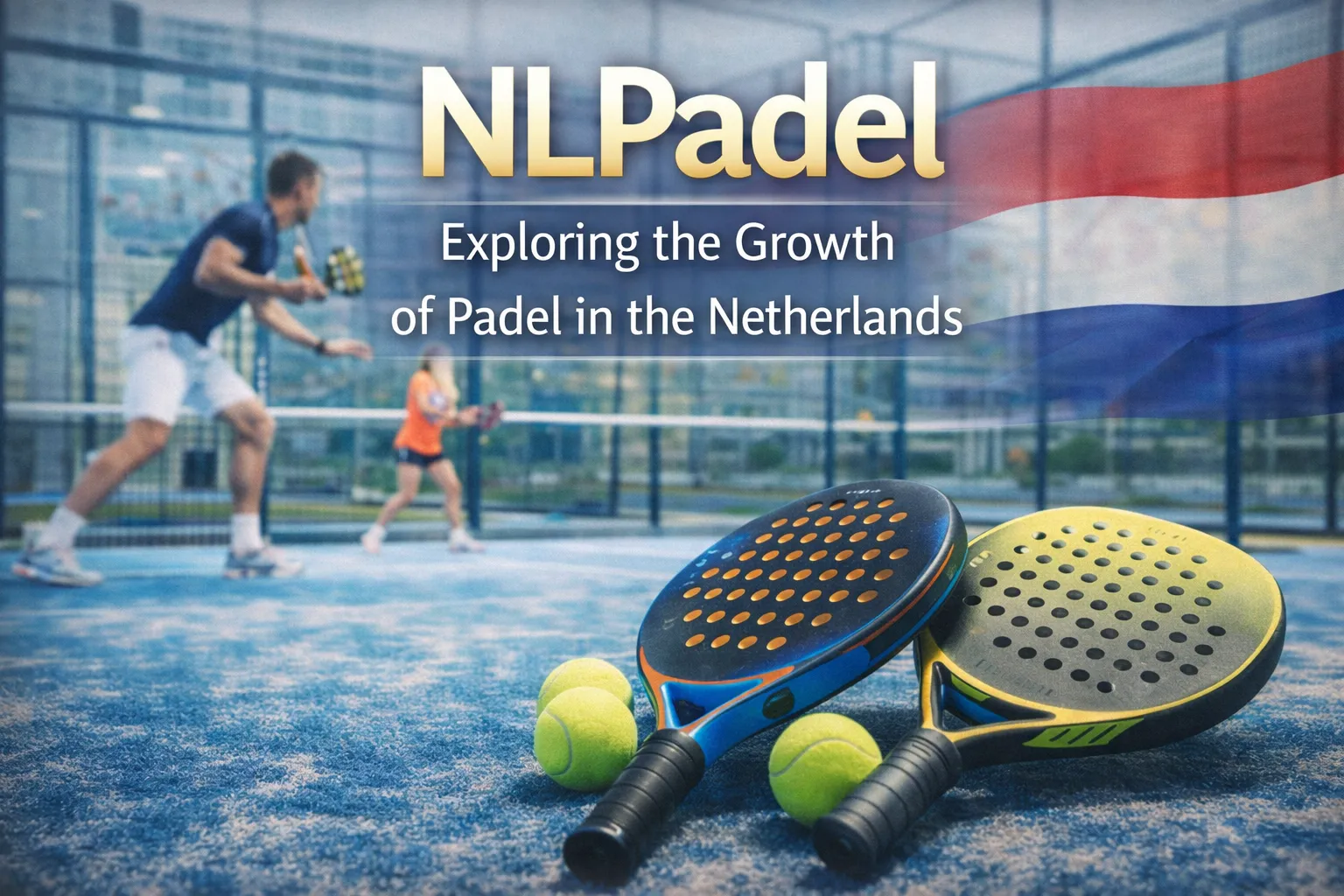
Padel has experienced remarkable growth across Europe, and the Netherlands is no exception. Among the many terms associated with this rapidly expanding sport, NLPadel has emerged as a popular keyword representing the Dutch padel community and ecosystem. From recreational players to professional athletes, padel is attracting people of all ages who are interested in a dynamic, social, and accessible racket sport.
The term combines the abbreviation “NL,” which stands for the Netherlands, with “Padel,” the sport itself. Together, they symbolize the growing network of clubs, courts, tournaments, training programs, and online resources dedicated to padel throughout the country.
As more sports clubs and recreational facilities introduce padel courts, the Dutch sports landscape is evolving. Many tennis clubs are integrating padel into their facilities, and entirely new padel clubs are being built to meet the increasing demand. This rapid expansion has created a vibrant sports culture that continues to attract both beginners and experienced athletes.
What is NLPadel?
NLPadel generally refers to the padel ecosystem in the Netherlands, including sports clubs, training centers, tournaments, and online platforms related to the sport. While NLPadel is not always the name of a single organization, it is widely used as a keyword that represents the Dutch padel community and its development.
Padel itself is a racket sport that combines elements of tennis and squash. It is typically played in doubles on a smaller court surrounded by glass walls. These walls allow the ball to remain in play after bouncing, which adds a strategic dimension to the game.
NLPadel represents the collective efforts of sports organizations, clubs, coaches, and players who contribute to the development of padel across the Netherlands. Through training programs, competitive tournaments, and recreational leagues, the sport has become one of the fastest-growing athletic activities in the country.
The Rise of Padel in the Netherlands
Early Development of the Sport
Padel was originally developed in Mexico in the late 1960s and later became extremely popular in Spain and several Latin American countries. Over time, the sport began spreading across Europe, including the Netherlands.
In the early stages, padel courts were introduced by a limited number of sports clubs that wanted to experiment with new recreational activities. These clubs recognized that padel offered a unique combination of accessibility and excitement, making it appealing to players with different skill levels.
Rapid Growth in Popularity
Over the past decade, padel has experienced explosive growth in the Netherlands. Thousands of new players have taken up the sport, and sports clubs have invested heavily in building padel courts.
The appeal of padel lies in its easy learning curve. Unlike some traditional racket sports that require years of technical training, beginners can quickly learn the basic skills needed to enjoy a competitive match.
This accessibility has helped padel attract players from various backgrounds, including former tennis players, recreational athletes, and individuals who are new to racket sports.
Expansion of Padel Infrastructure
To accommodate the rising popularity of padel, sports facilities across the Netherlands have expanded their infrastructure. Many tennis clubs have added padel courts alongside their existing facilities, while specialized padel clubs have been established in major cities.
Modern padel courts are designed with glass walls and artificial turf surfaces. These courts allow players to use the walls strategically during gameplay, which creates fast-paced and engaging matches.
The expansion of infrastructure has played a key role in making padel accessible to a wider audience, further strengthening the NLPadel movement.
How NLPadel Supports the Padel Community
Clubs and Training Programs
One of the most important aspects of NLPadel is the network of clubs that provide training and coaching programs. These clubs offer lessons for beginners as well as advanced training sessions for experienced players.
Professional coaches help players improve their techniques, including positioning, shot selection, and strategic use of the walls during matches. Many clubs also offer junior programs that introduce young athletes to the sport.
By providing structured training environments, NLPadel clubs help players develop their skills while promoting the long-term growth of the sport.
Tournaments and Competitive Events
Competition is an essential part of any sport, and padel is no exception. Across the Netherlands, tournaments are organized regularly for players of different skill levels.
These events allow players to test their abilities against opponents while experiencing the excitement of competitive play. Some tournaments are recreational, while others are part of national ranking systems managed by sports organizations.
Competitive events help build a strong padel culture by encouraging players to improve their performance and engage with the broader community.
Community and Social Activities
Padel is widely recognized as a highly social sport. Because it is usually played in doubles, communication and teamwork are important aspects of the game.
Many padel clubs organize social events, friendly matches, and community gatherings that allow players to connect with others who share their interest in the sport. These activities help create a welcoming atmosphere that encourages new players to join.
The social nature of padel has been one of the key reasons for its popularity in the Netherlands.
Understanding the Sport of Padel
Basic Rules of Padel
Padel is played on a rectangular court that measures approximately 20 meters by 10 meters. The court is enclose by glass walls and metal fencing, which allows the ball to bounce off surfaces during play.
The game is usually play in doubles, with two players on each team. Matches follow a scoring system similar to tennis, with points progressing from fifteen to thirty to forty before a game is won.
Players serve underhand, and rallies continue as the ball rebounds off walls and the court surface.
Equipment Used in Padel
Padel equipment is relatively simple. Players use solid rackets made from composite materials rather than stringed rackets like those used in tennis. These rackets have perforated surfaces that help control the ball.
The balls used in padel are similar to tennis balls but slightly less pressurized, which affects their bounce and speed.
In addition to rackets and balls, players often wear sports shoes designed for artificial turf surfaces to improve grip and movement on the court.
Differences Between Padel and Tennis
Although padel shares similarities with tennis, several important differences set the sport apart. Padel courts are smaller and enclosed by walls, which introduces a unique strategic element.
In tennis, the ball must remain within the court boundaries, but in padel, players can use the walls to return shots. This creates longer rallies and encourages creative shot-making.
The underhand serve used in padel also makes the game more accessible for beginners, reducing the technical difficulty associated with powerful overhead serves.
Benefits of Playing Padel
Physical Health Benefits
Padel provides an excellent form of exercise that improves cardiovascular health, coordination, and agility. Because matches involve constant movement and quick reactions, players develop both endurance and strength.
The sport also helps improve balance and reflexes while providing a full-body workout.
Social and Community Benefits
One of the unique advantages of padel is its strong social aspect. Playing in doubles encourages communication and teamwork, making the sport enjoyable for friends, families, and colleagues.
Many people find that padel offers a great opportunity to stay active while building social connections.
Accessibility for All Skill Levels
Padel is known for being beginner-friendly. Even individuals with little experience in racket sports can quickly learn the fundamentals and start playing matches.
At the same time, experienced players can enjoy the strategic depth of the sport as they refine their techniques and tactics.
Organizations and Governance of NLPadel
The development of padel in the Netherlands is support by national sports organizations that oversee competitions, rankings, and club activities. The Royal Dutch Lawn Tennis Association (KNLTB) plays an important role in promoting padel and organizing official tournaments.
By integrating padel into existing sports structures, these organizations help maintain high standards for coaching, competition, and facility management.
NLPadel Platforms and Online Resources
Online platforms dedicated to NLPadel provide valuable resources for players and fans of the sport. These websites often offer information about rules, training tips, and upcoming tournaments.
Players can also use these platforms to locate nearby courts, book playing sessions, and connect with other members of the padel community.
Digital resources have played an important role in expanding the reach of padel and introducing the sport to new audiences.
Future of NLPadel
The future of NLPadel looks extremely promising. As interest in the sport continues to grow, more courts and clubs are expecte to be built throughout the Netherlands.
The increasing popularity of padel may also lead to stronger professional leagues and international competitions involving Dutch players. With continued investment in infrastructure and training programs, the Netherlands has the potential to become a major hub for padel in Europe.
Furthermore, the sport’s accessibility and social appeal suggest that it will continue attracting new players for years to come.
Conclusion
NLPadel represents the thriving padel ecosystem in the Netherlands, encompassing clubs, tournaments, training programs, and online platforms dedicated to the sport. As padel continues to gain popularity across the country, it has become a key part of the Dutch recreational and competitive sports landscape.
With its combination of physical activity, strategic gameplay, and social interaction, padel offers a unique sporting experience that appeals to players of all ages and skill levels. The continued development of courts, clubs, and training opportunities ensures that NLPadel will remain an important force in the future of Dutch sports.
Disclaimer
This article is for informational purposes only. The term NLPadel is use to describe the padel community, clubs, and activities associate with the sport in the Netherlands. Information in this article is based on publicly available sources and general knowledge about padel. Readers should verify details with official sports organizations, clubs, or governing bodies for the most accurate and up-to-date information regarding tournaments, memberships, or training programs.