
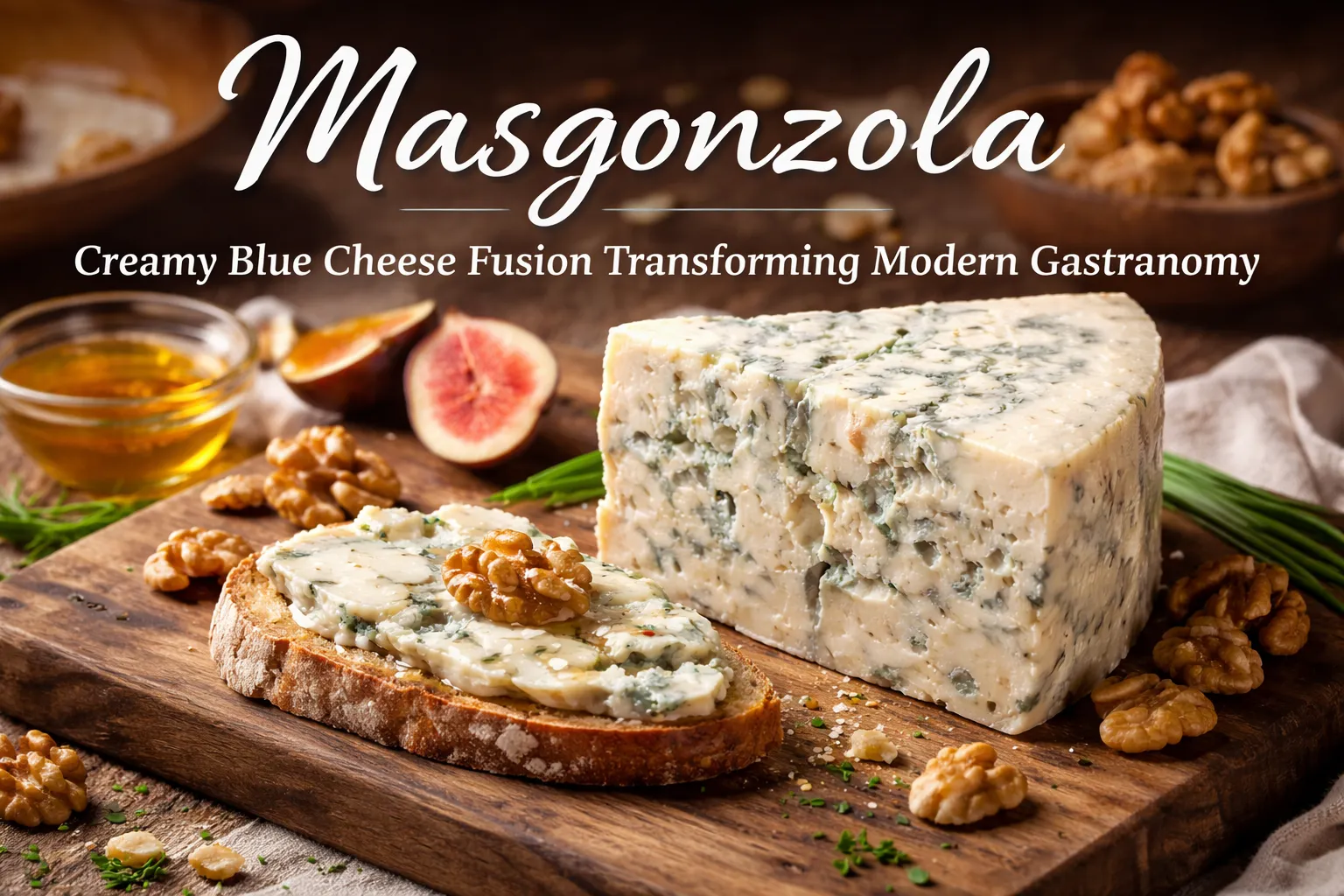
Masgonzola, a creative cheese idea that combines the characteristics of two classic Italian dairy products: mascarpone and gorgonzola. Although still considered an emerging concept, Masgonzola has sparked curiosity among chefs, food bloggers, and cheese lovers who are eager to explore innovative flavor combinations.
The fascination with Masgonzola lies in its ability to merge two contrasting cheese styles into a single harmonious experience. On one side is mascarpone, known for its silky texture and mild sweetness. On the other is gorgonzola, a bold blue cheese famous for its tangy and slightly sharp flavor. By bringing these two elements together, Masgonzola represents a balanced fusion that captures the essence of both cheeses.
What Is Masgonzola?
The Fusion of Mascarpone and Gorgonzola
Masgonzola can best be described as a conceptual fusion cheese inspired by mascarpone and gorgonzola. These two cheeses are widely respected within Italian cuisine and have distinct identities.
Mascarpone is a fresh cheese made from cream. It is soft, buttery, and delicately sweet. Because of its smooth consistency, mascarpone is often used in desserts such as tiramisu, as well as in creamy sauces and spreads.
Gorgonzola, in contrast, is one of Italy’s most famous blue cheeses. It develops blue or green veins through the introduction of specific mold cultures during aging. The result is a cheese with a bold, tangy flavor that can range from mild to intensely sharp depending on the aging process.
Why This Cheese Concept Is Unique
What makes Masgonzola unique is the balance it achieves between richness and intensity. Blue cheeses are sometimes considered too strong for certain palates, but when combined with the gentle creaminess of mascarpone, their flavor becomes more approachable.
This fusion makes Masgonzola appealing to a wider audience. It offers the complexity that cheese enthusiasts enjoy while maintaining a smooth texture and mildness that casual diners appreciate.
The Origin and Inspiration Behind Masgonzola
Italian Cheese Traditions as Inspiration
Italy has a long and celebrated history of cheesemaking. Regions such as Lombardy and Piedmont are home to many of the country’s most famous dairy products, including mascarpone and gorgonzola. Both cheeses originate from northern Italy and are deeply connected to regional culinary traditions.
Masgonzola draws inspiration from these traditions. By combining elements of these classic cheeses, the concept reflects the creativity that often emerges from established culinary practices.
The Rise of Ingredient Hybridization in Modern Cuisine
In recent years, chefs have embraced the idea of ingredient hybridization, which involves combining familiar foods to create entirely new culinary experiences. Examples include fusion dishes that blend different cultural cuisines or reinterpret classic recipes.
Masgonzola fits into this trend by merging two well-known cheeses into a new concept. This approach allows chefs to experiment with flavor while still honoring the ingredients that inspired the creation.
Flavor Profile of Masgonzola
Creamy Smoothness from Mascarpone
The mascarpone influence provides Masgonzola with its signature creaminess. This component creates a luxurious mouthfeel that coats the palate with rich dairy flavor. The softness of mascarpone also helps the cheese melt easily in warm dishes.
Bold Blue Cheese Notes from Gorgonzola
Gorgonzola contributes the tangy, slightly earthy notes that define blue cheese. These flavors add depth and character to Masgonzola, ensuring that it is not simply another mild cheese.
The Perfect Balance of Richness and Tanginess
The most appealing aspect of Masgonzola is the harmony between its two primary influences. The mascarpone softens the sharpness of the blue cheese while allowing its distinctive flavor to remain present. The result is a balanced taste that feels both indulgent and refined.
Texture and Visual Characteristics
Creamy and Spreadable Consistency
Masgonzola typically has a smooth and spreadable texture. This consistency makes it ideal for a variety of culinary uses, from spreading on bread to blending into sauces.
Distinctive Blue Veins and Visual Appeal
Because of the gorgonzola influence, Masgonzola may feature subtle blue or green veins. These veins not only contribute flavor but also create a visually appealing appearance that highlights the cheese’s blue cheese heritage.
How Masgonzola Is Made
Selecting High-Quality Milk
The production of Masgonzola generally begins with high-quality cow’s milk or cream. Rich dairy ingredients are essential for achieving the creamy texture associated with mascarpone-style cheeses.
Cream Processing and Cheese Formation
To create the mascarpone component, cream is gently heated and coagulated using acid. This process forms the soft base that defines the cheese’s smooth structure.
Introducing Blue Mold Cultures
The gorgonzola influence comes from the introduction of blue mold cultures. These cultures produce the characteristic veins and tangy flavor associated with blue cheeses.
Controlled Aging for Flavor Development
Unlike traditional blue cheeses that age for extended periods, Masgonzola typically undergoes a shorter maturation process. This allows the cheese to develop flavor while maintaining its creamy consistency.
Culinary Uses of Masgonzola
Masgonzola in Creamy Pasta Dishes
One of the most popular uses for Masgonzola is in pasta sauces. When melted with butter or cream, it creates a rich sauce that pairs beautifully with pasta varieties such as fettuccine, gnocchi, or penne.
Using Masgonzola on Gourmet Cheese Boards
Masgonzola’s balanced flavor makes it an excellent addition to cheese boards. It pairs well with crusty bread, crackers, nuts, and fresh fruits such as pears or figs.
Pizza and Flatbread Applications
Chefs often use Masgonzola as a topping for gourmet pizzas and flatbreads. The cheese melts smoothly and adds a distinctive flavor twist to traditional recipes.
Salad Dressings and Flavor Enhancements
When blended with olive oil and herbs, Masgonzola can create a luxurious salad dressing. Its creamy texture and tangy notes complement fresh greens beautifully.
Innovative Dessert Creations
Some adventurous chefs even experiment with Masgonzola in desserts. Paired with honey, walnuts, or dark chocolate, the cheese’s sweet and savory balance creates surprising flavor combinations.
Masgonzola in Modern Culinary Trends
The Role of Fusion Cuisine
Fusion cuisine encourages chefs to combine ingredients and techniques from different culinary traditions. Masgonzola fits naturally into this movement because it represents a fusion within a single ingredient.
Why Chefs Are Experimenting with Masgonzola
Chefs appreciate Masgonzola because it offers both versatility and originality. Its creamy texture and distinctive flavor allow it to enhance a wide range of dishes while still feeling unique and innovative.
Buying Masgonzola Cheese in the United States
Specialty Cheese Shops and Artisan Markets
Because Masgonzola is still an emerging concept, it may not be widely available in standard grocery stores. However, specialty cheese shops often carry experimental blends that resemble the Masgonzola concept.
Online Gourmet Retailers
Online gourmet retailers provide another convenient option for discovering unique cheeses. These platforms frequently offer artisan dairy products that are difficult to find locally.
Local Farmers’ Markets and Dairy Producers
Farmers’ markets can also be excellent places to find innovative cheese creations. Small-scale dairy producers often experiment with new flavor combinations, making them potential sources for Masgonzola-style cheeses.
Why Masgonzola Is Becoming More Popular
Growing Interest in Artisan Foods
Consumers are increasingly drawn to handmade and specialty foods that offer distinctive flavor experiences.
Influence of Social Media and Food Blogging
Social media platforms have helped introduce unusual ingredients to a global audience. When chefs and food bloggers share dishes featuring Masgonzola, they inspire curiosity and experimentation among readers.
Expansion of Global Fusion Cuisine
As global cuisine continues to evolve, ingredients like Masgonzola represent the creative spirit of modern cooking.
Conclusion: The Future of Masgonzola in Modern Gastronomy
Masgonzola represents the spirit of innovation that defines modern gastronomy. By blending the creamy richness of mascarpone with the bold personality of gorgonzola, this emerging cheese concept offers a unique and balanced flavor experience.
Although it is still gaining recognition, Masgonzola demonstrates how culinary creativity can transform traditional ingredients into exciting new possibilities. As chefs continue exploring fusion cuisine and experimental flavors, Masgonzola may become an increasingly popular ingredient in gourmet kitchens around the world.
Frequently Asked Questions About Masgonzola
What Exactly Is Masgonzola?
Masgonzola is a cheese concept inspired by the fusion of mascarpone and gorgonzola, combining creamy texture with subtle blue cheese flavor.
Is Masgonzola a Traditional Italian Cheese?
No. While it is inspired by traditional Italian cheeses, Masgonzola is considered a modern culinary idea rather than an officially recognized cheese variety.
What Does Masgonzola Taste Like?
Masgonzola has a rich, creamy base with gentle tangy notes from the blue cheese component.
How Can Masgonzola Be Used in Cooking?
It can be used in pasta sauces, cheese boards, pizza toppings, salad dressings, and even some desserts.
Is Masgonzola Suitable for Mild Cheese Lovers?
Yes. Because mascarpone softens the sharpness of gorgonzola, Masgonzola usually has a milder flavor than traditional blue cheeses.
Disclaimer
The information provided in this article about Masgonzola is intended for educational and informational purposes only. Masgonzola is described as a conceptual or experimental cheese idea inspired by the characteristics of mascarpone and gorgonzola, and it may not represent an officially recognized cheese variety in traditional culinary classifications. Availability, production methods, and recipes may vary depending on chefs, dairy producers, or regional interpretations. Readers are encouraged to consult professional chefs, cheesemakers, or food experts for specific culinary guidance or product verification.