
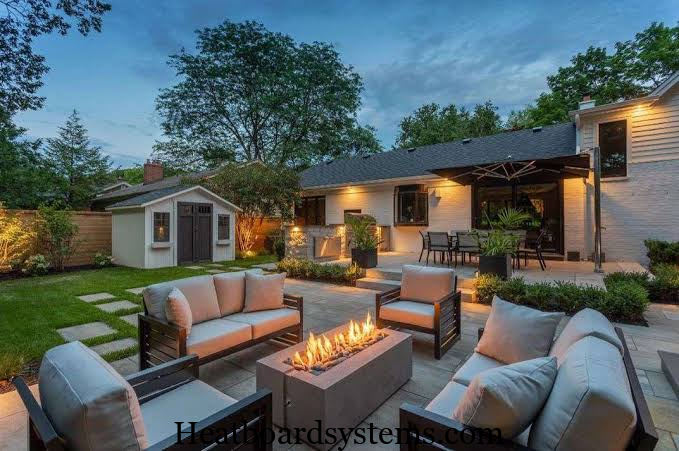
Step outside on a hot summer afternoon, and your backyard should feel like a cool, relaxing escape. But for many people, the patio feels like an oven. You hope to enjoy your yard, but the heat sends you back inside.
Modern landscaping is often to blame for this. Yards today use more concrete, bricks, and fake grass. These hard surfaces absorb the sun and make your yard even hotter. Many homeowners do not realize they have replaced natural cooling, like trees and grass, with materials that trap heat.
To fix this, you need more than a patio umbrella. A smart backyard remodel in Altadena can help. Add natural shade, pick better materials, and let air flow through your yard. These steps will make your outdoor space comfortable again.
Causes of Backyard Overheating
Before addressing the overheated backyard, you need to understand its causes. It may not only be excessive direct sunlight, but also other factors influencing your backyard’s interaction with it at different times of day.
- The Urban Heat Island and Hardscaping: Dark concrete, brick, and regular paving stones retain large amounts of thermal energy during the day. When the sun goes down, the released heat makes a local heat island outside your house.
- The Absence of Vertical Shade: A lot of modern houses are designed without any elements to protect them from the external environment. Without mature trees, pergolas, or even high hedges or bushes, your backyard is exposed to full sunlight.
- Artificial Grass Gets Hot: Artificial grass helps save water and always looks green, but it holds onto heat during hot summer days. The surface of artificial grass can get much hotter than real grass or bare soil, making your yard feel even warmer.
- Poor Airflow Makes It Hotter: Tall, solid fences and poorly placed walls can block the natural flow of air. Without good airflow, cool breezes can’t reach your patio, so the area stays stuffy and hot.
How to Cool Down Your Backyard
You don’t need to remove everything or start over to cool your backyard. A few smart changes can make your yard much cooler.
- Upgrade to Cool Paving: When remodeling your backyard in Altadena, opt for paving materials that reflect sunlight and absorb less heat, such as cool paving stones, light-colored flagstone, or permeable pavers with cooling ground underneath.
- Install Overhead Shade: Introduce overhead shade structures in your design, such as a wooden pergola with movable louvers, a durable shade sail, or a patio with insulation. Shade-giving trees like California oaks or fruitless olive trees can be planted to create a protective canopy and shield your yard from afternoon sun exposure.
- Plants and Water Elements: Plants naturally reduce the heat of the environment thanks to evapotranspiration. Plants, tall ornamental grasses, and small water features will effectively lower the temperature of your micro-environment.
- Improve Ventilation: Check if your backyard gets enough fresh air. Sometimes, fences block the breeze and make the area hotter.
What Happens When You Ignore Backyard Heat
Leaving your backyard a hot, unusable space hampers your comfort, daily life, and property value.
- Higher Cooling Bills: When your patio gets extremely hot, it sends that heat into your home. This makes your air conditioner work harder and raises your electricity bills.
- Wasted Outdoor Space: Yards cost time and money to build and maintain. If it’s too hot to use for much of the year, your investment goes to waste.
- Damaged Materials: Constant heat fades and cracks patio furniture, ruins outdoor cushions, and wears down cheap paving much faster than normal use would.
Microclimate and Soil Considerations for Your Yard
When planning a backyard remodel in Altadena, consider the area’s unique environment. Since Altadena is near the foothills of the San Gabriel Mountains, its climate has special features that strongly affect how heat impacts your property.
- Controlling Foothill Winds: Altadena is well-known for its seasonal wind patterns that include warm winds flowing down from the mountains. Your design should account for this factor and include windbreaks to block hot, dry air in the summertime and protect plants.
- Selecting Drought-Tolerant, Heat-Resistant Plants: The soil conditions in the area are often dry and rocky, and regional water regulations call for smart plant selections. Using drought-tolerant native plants such as California lilacs, manzanitas, and valley oaks ensures deep shade with natural heat resistance in low-water conditions.
- Considering the Slopes and Drainage Issues: Some houses in the region are located on slight slopes. To control rainwater in winter, make sure your yard is properly sloped. Use permeable paving materials that allow water to drain easily. This keeps enough moisture in the soil to help cool your backyard.
Conclusion
A hot backyard should not hamper your outdoor enjoyment. By finding out what is making your yard so hot, such as dark paving, artificial grass, or no shade, you can turn your outdoor space into a cool and comfortable retreat. Making smart changes during a full backyard remodel in Altadena will lower outdoor temperatures and help keep your home cooler inside. These improvements will also let you use and enjoy your outdoor living space year-long.