
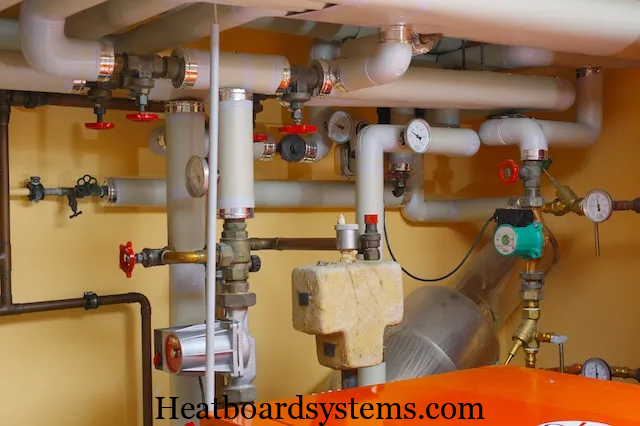
For decades, home builders relied on rigid copper and galvanized steel pipes to deliver water throughout residential properties. Over time, however, hard water minerals, aging joints, and shifting home foundations have exposed the severe flaws of traditional metal plumbing. To stop unexpected leaks and costly water damage, property owners are rapidly moving away from metal and switching to flexible polymer tubing.
Understanding this shift requires looking closely at why traditional lines wear down, the everyday challenges of old metal pipes, and how upgrading to PEX repiping solves these problems for good.
Why Traditional Plumbing Fails To Modern Demands
Before looking at modern solutions, it helps to understand why traditional metal plumbing has a hard time keeping up with the demands of everyday life in a modern house:
- Too Many Fittings and Weak Joints: Old metal systems require plumbers to cut dozens of individual pieces and use a torch to solder tiny elbow joints, tees, and connectors into place inside your walls and floors. Every single one of these joined spots is a vulnerable weak point that can slowly loosen, wear down, and start leaking over time.
- Mineral Buildup and Choked Water Flow: Tap water carries natural minerals like calcium and magnesium. In metal pipes, these minerals steadily cling to the inside walls over the years, narrowing the pathway and drastically choking your water pressure until faucets and showers slow to a trickle.
- Zero Flexibility for Shifting Homes: Every home naturally shifts, settles, and moves a little bit as the seasons change and the ground expands or contracts. Because metal pipes are completely rigid, they cannot bend to absorb that movement. Instead, all that physical stress gets jammed straight into the pipe joints, eventually causing them to crack or snap behind your finished walls.
How PEX Handles Plumbing Challenges
- PEX pipes are not just easier to install—they also handle daily plumbing problems that many homes face. For example, in homes with older metal pipes, sudden changes in water pressure can cause loud banging noises called “water hammer.” PEX tubing absorbs these shocks because it is flexible, helping to keep your home quiet and your plumbing safe.
- Another challenge is water quality. Unlike metal pipes, PEX never rusts or adds a metallic taste to your water. This is especially important for families who want to avoid the risk of lead or other metals in their drinking water, which can happen with old plumbing.
- PEX is also more resistant to chemicals found in modern water supplies. Many cities use chlorine and other disinfectants to keep water safe, but these can slowly damage copper or steel pipes from the inside out. PEX doesn’t react with these chemicals, so it lasts longer—even in cities with treated water.
- Finally, PEX is less likely to burst in freezing weather. If water freezes in a PEX pipe, the pipe can stretch and then return to its original shape after thawing, lowering the risk of a major leak. This makes it a great choice for homes in cold climates, where frozen pipes are a common problem.
- By choosing PEX, homeowners get peace of mind, better water quality, and a plumbing system that stands up to real-world challenges year after year.
PEX vs. Traditional Piping: A Quick Comparison
When comparing traditional metal plumbing systems to modern polymer tubing, several significant differences need to be pointed out to homeowners:
- Installation & Joints: Traditional metal plumbing systems have a complicated installation process involving cutting, open flame, and many rigid joints. On the other hand, PEX has an easy installation process involving only crimp or expansion fittings and long coils.
- Expense & Labor: The installation of traditional metal pipe systems involves considerable expense as well as lots of labor. In contrast, PEX pipe is significantly cheaper and can be installed much faster than metal pipes.
- Corrosion Resistance: Traditional metal pipes may develop pitting, corrosion, and pinholes when exposed to acidic water and minerals. On the contrary, PEX pipes are chemically inert and thus cannot corrode.
Why Homeowners Choose PEX Repiping for Long-Term Safety
Upgrading an entire home plumbing network used to require tearing out massive sections of drywall and tile to access rigid metal pipes. Today, PEX repiping offers a much cleaner, faster, and more efficient path forward:
- Minimal Wall Damage: Because the tubing is lightweight and flexible, skilled contractors can snake new lines through existing wall cavities and crawlspaces. This means far less cutting into drywall, saving homeowners thousands of dollars in messy structural repairs.
- Long-Term Financial Security: The replacement of old and fragile pipes before any ruptures will prevent any indoor flooding, damaged floorboards, and costly emergency calls for plumbing services.
- Pure and Safe Drinking Water: Modern pipes made of plastic materials don’t corrode inside and don’t allow any metals to enter your drinking water, allowing you and your family to have pure water everywhere in your home. In addition, getting professional PEX repiping for your home will immediately increase its resale value.
Conclusion
Metal pipes, despite their past efficiency, cannot withstand the test of time in today’s water conditions, changes in the house structure, and household needs. Ignoring the existing problems with outdated plumbing systems can lead to leaks, low water pressure, and potential harm to your property. Modern PEX repiping gives lasting benefits and peace of mind for the future.